Recording the electrical activity of the brain.
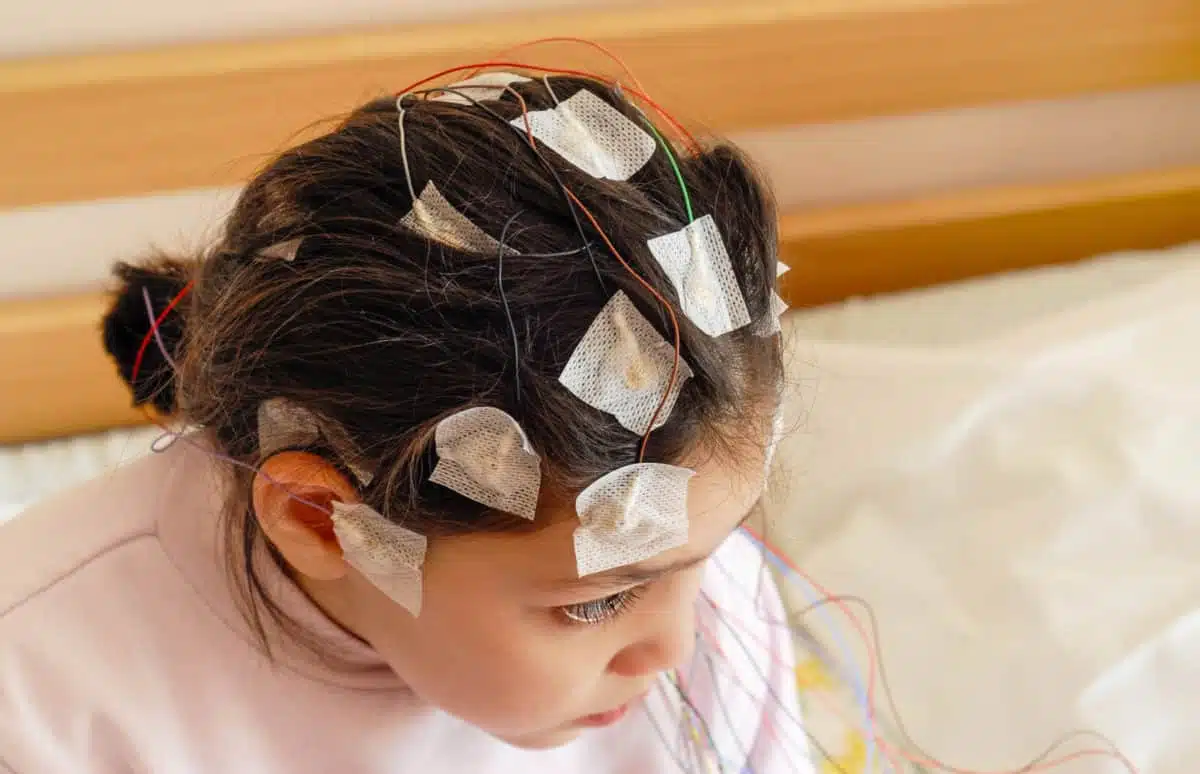
An electroencephalogram, commonly called an EEG, records electrical activity in the brain. The electrodes record electrical signals from the brain.
A non-invasive recording of brain activity.
An electroencephalogram, commonly called an EEG, records electrical activity in the brain. The electrodes record electrical signals from the brain. They do not send electricity into the brain.
An EEG result must be interpreted together with the patient's history and other clinical information.
Symptoms and clinical questions an EEG may help investigate.
Why May an EEG Be Requested?
A straightforward recording process.
Electrode positions are measured
Measurements will be taken to identify electrode positions.
Electrodes are attached
Small electrodes are attached to the scalp using conductive paste or adhesive.
Brain activity is recorded
The patient relaxes while brain activity is recorded.
Simple instructions may be given
The patient will be asked to open and close their eyes.
Additional activation will be used
Deep breathing and flashing lights will be used when clinically appropriate.
Electrodes are removed
The electrodes are removed after the recording.
The test is generally painless, although the paste may leave the hair feeling sticky.

Preparing correctly helps support a useful recording.
- Wash your hair beforehand using your regular shampoo and rinse thoroughly.
- Do not use conditioner, gel, hairspray, oils or styling products.
- Eat as per your regular diet and routine unless instructed otherwise.
- Enquire whether caffeine should be avoided.
- Supply a list of current medications.
- Do not stop medication without medical instruction.
- Arrive in time to complete the necessary forms.
Could an EEG be relevant to your symptoms?
Select any factors that apply. This checklist does not diagnose a condition.
Your answers cannot determine whether you need an EEG. Symptoms such as blackouts, altered awareness or unusual movements should be discussed with a qualified healthcare professional.
Would You Like to Submit an EEG Enquiry?
Use the secure appointment form to provide the information below. The practice can then contact you regarding the next appropriate step.
Information to Provide
- Name and surname
- Phone number
- Email address
- Referring doctor
- Date of referral
- Brief description
- Upload referral
Ready to Enquire?
Submitting an enquiry does not provide a diagnosis or confirm which investigation is medically appropriate.
Important safety notice
Seek urgent medical help for a first seizure, a prolonged seizure, repeated seizures without recovery, serious injury, breathing difficulty or any other medical emergency.
Ready to arrange your appointment?
Contact the practice directly or complete the secure appointment form on the Contact page. A referral will be required from your private healthcare physician or a referring medical specialist.
Contact the practice or complete our appointment form.
Visit the Contact page to send a general enquiry, call or email the practice, or complete the secure appointment form online.
This website does not provide a diagnosis and is not monitored as an emergency service.