Home Sleep Apnea Screening
A home sleep apnea test is an overnight test used to help investigate suspected obstructive sleep apnea.
Sleep apnea is a sleep disorder in which breathing repeatedly stops, starts or becomes too shallow during sleep. A person may not realise this is happening. In many cases, a partner or family member first notices loud snoring, pauses in breathing, gasping or choking. Sleep apnea can affect several areas of health and daily functioning.
Sleep apnea is a sleep disorder in which breathing repeatedly stops, starts or becomes too shallow during sleep. A person may not realise this is happening. In many cases, a partner or family member first notices loud snoring, pauses in breathing, gasping or choking. Sleep apnea can affect several areas of health and daily functioning.
Obstructive Sleep Apnea (OSA) occurs when the upper airway repeatedly narrows or closes during sleep. The person continuously tries to breathe, but airflow is reduced or temporarily blocked. The airway can reopen, causing loud gasps for air. Repeated interruptions may disrupt sleep architecture.
Central Sleep Apnea differs from OSA. Breathing is disrupted because the brain temporarily does not send the expected signals to the muscles involved in breathing. Central Sleep Apnea is a more severe form of sleep apnea. A sleep study may form part of the investigation.
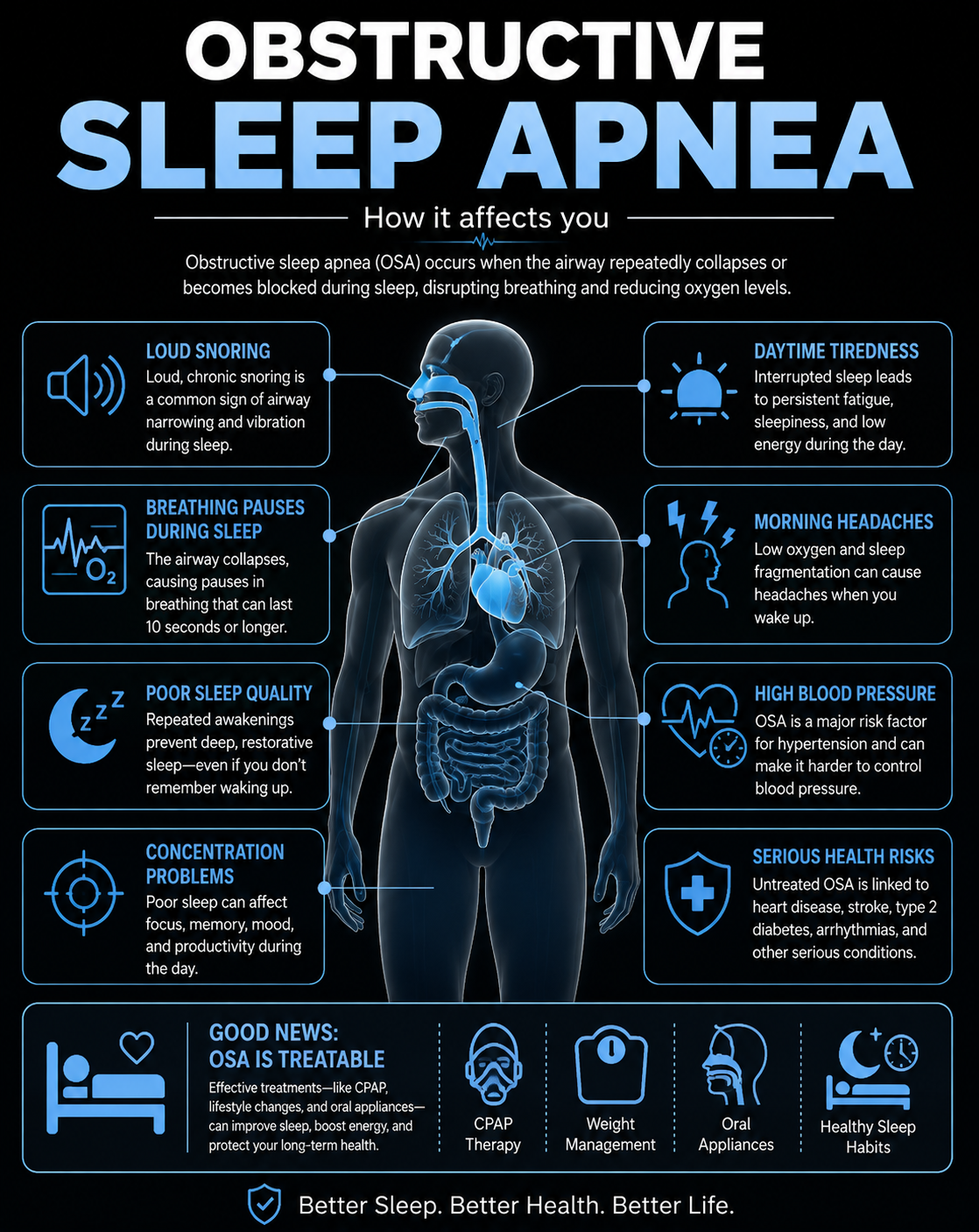
These symptoms are associated with sleep apnea but are not specific to it. Snoring alone does not confirm sleep apnea, and not every person with sleep apnea snores.
Untreated sleep apnea is associated with impaired daytime alertness and may contribute to broader health risks. Patients experiencing severe sleepiness should be especially cautious when driving or operating machinery and should seek medical advice.
A home sleep apnea test is an overnight test used to help investigate suspected obstructive sleep apnea.
Breathing effort, blood oxygen levels, pulse or heart rate, snoring, body position, sleep stages and hypoxic burden.
Polysomnography is a more comprehensive overnight sleep study that may record brain waves, eye movements, muscle activity, heart rate, breathing, blood oxygen levels, leg movements, chin and leg muscle activity and video and audio, where applicable.
A CPAP titration study is an overnight sleep study used to determine an appropriate positive airway pressure to help keep the airway open during sleep.
The MSLT is a daytime sleep study used to measure excessive daytime sleepiness and may help investigate conditions such as narcolepsy or idiopathic hypersomnia.
The MWT is a daytime study that measures a person's ability to remain awake in a quiet environment and may be used to assess ongoing sleepiness, treatment response or alertness for safety-sensitive tasks.
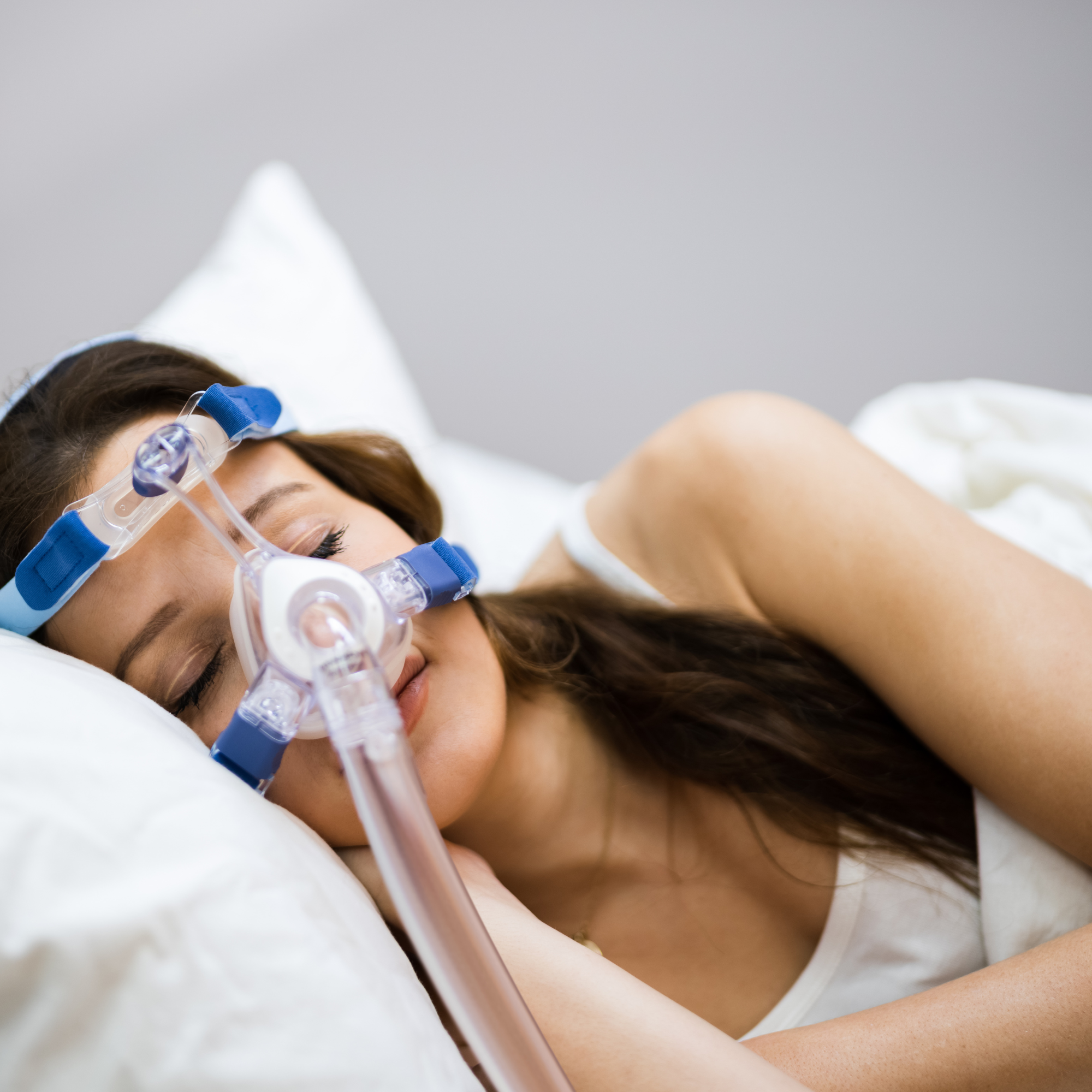
Management depends on the diagnosis, severity, symptoms and individual patient factors. Possible approaches may include:
A CPAP machine delivers pressurised air through a mask to help prevent the airway from collapsing during sleep.
One or more symptoms may justify discussing your sleep with a healthcare professional. This checklist does not diagnose sleep apnea or determine its severity.
Sleep-related symptoms can have different causes. Appropriate assessment and interpretation should be undertaken by a qualified healthcare professional. This website does not provide a diagnosis.
Contact the practice directly or complete the secure appointment form on the Contact page. A referral will be required from your private healthcare physician or a referring medical specialist.
Visit the Contact page to send a general enquiry, call or email the practice, or complete the secure appointment form online.
This website does not provide a diagnosis and is not monitored as an emergency service.Please answer the short questions below. Your answers will be neatly added to the WhatsApp message.
Complete these where your enquiry relates to sleep. Select “Not applicable” where needed.